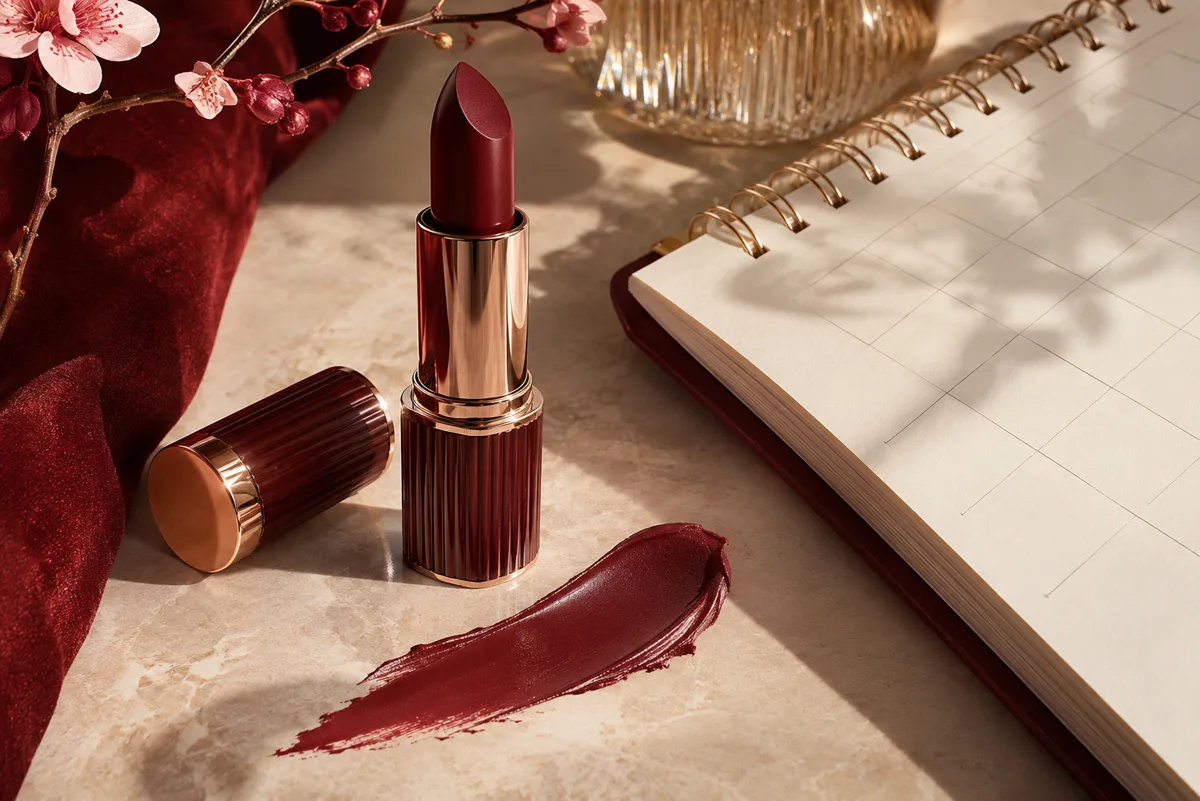
Distinguish different kinds of dates
A printed expiry date, an after-opening period and a purchase date are different pieces of information. An unopened product bought long ago is not automatically equivalent to a newly opened one. Retain any date instructions instead of replacing them with an internet shelf-life chart.
Use the date planner as a reminder
Enter your real opening date and the interval stated by the manufacturer. The tool adds calendar months, clamping to the final day when a month is shorter. It does not examine the formulation, packaging condition or storage history and cannot certify that a cosmetic remains safe.
Take an earlier problem seriously
Unexpected changes in smell, texture or appearance deserve attention before any planned reminder date. Stop use when there is a concerning change and ask the manufacturer for guidance. Cosmetics that also make drug claims, such as sunscreen products, have additional labeling requirements; do not use an ordinary lipstick rule for those items.
Check the calendar rule with a real date example
As a calendar example, January 31, 2024 plus one month becomes February 29, 2024 because that target month has no thirty-first day. The same calculation in 2025 ends on February 28. This explains the tool’s date arithmetic; it does not assert that one month is a recommended lipstick interval. Enter a period from your own product instructions, retain any printed expiry date separately, and seek clarification from the manufacturer when those instructions are unclear.
Before you decide
- Record opening and purchase dates separately.
- Use an interval from the actual manufacturer.
- Do not treat the reminder as permission to ignore a product change.
Sources & scope
Checked November 4, 2026. Official references support the specific product or labeling statements. Dated official US list prices appear only where explicitly stated; final checkout cost, stock and merchant eligibility can differ. Application workflows are editorial guidance, not independent testing.
Keep reading
Read a lip color ingredient list without guessing its performance ↗
Tinted lipstick and lip SPF are separate label questions ↗
What hypoallergenic does—and does not—tell you about lipstick ↗